

Qatar Airways to restore over 120 destinations by mid-May amid network expansion
Dedicated corridors ensure continued operations through Doha hub
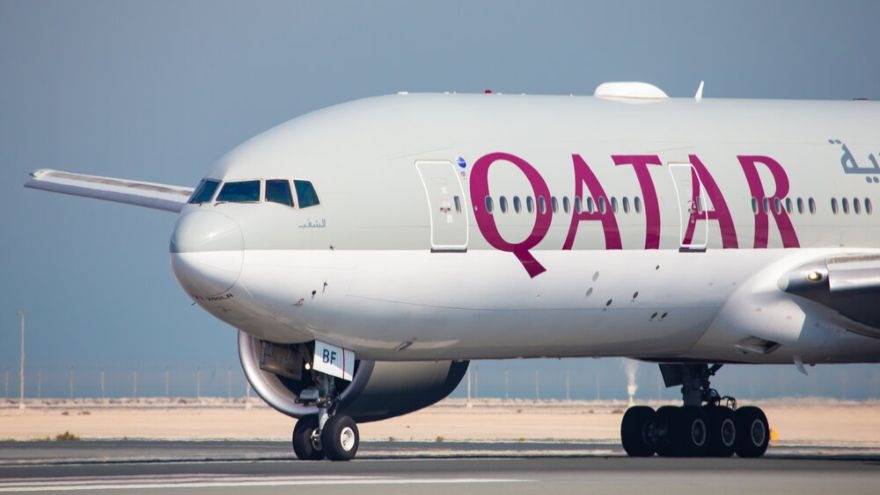
DOHA/DUBAI – Qatar Airways has announced a significant expansion of its global operations, confirming plans to serve more than 120 destinations by mid-May 2026 as it steadily rebuilds its flight network.
The airline’s latest revised schedule reflects a phased increase in services to and from Doha, with operations continuing through dedicated flight corridors coordinated closely with the Qatar Civil Aviation Authority. The move marks a notable step in restoring connectivity across key international markets following recent disruptions.
While services are expanding, the airline emphasised that schedules remain subject to change or cancellation due to operational, regulatory or safety considerations beyond its control.
Qatar Airways’ network
The revised schedule spans major regions including Africa, Asia, Europe, the Americas, the Middle East and the Pacific. Several routes are being reinstated in phases, with specific destinations resuming operations from mid-April through to June.
In Africa, cities such as Cairo, Nairobi and Johannesburg remain active, while routes including Accra and Abidjan are scheduled to resume from April 16, and Kinshasa and Luanda from May 16.
Across Asia, the network includes key destinations such as Delhi, Bangkok, Singapore and Tokyo, alongside Pakistani cities including Islamabad, Lahore, Karachi, Multan, Peshawar and Sialkot. Additional services to cities such as Chengdu, Chongqing and Hangzhou are set to resume from mid-May.
European operations continue to expand, with major hubs including London Heathrow, Paris and Frankfurt already active. Seasonal and phased resumptions include Geneva and Vienna from April 16, London Gatwick and Nice from May 16, and several leisure destinations such as Mykonos and Antalya from late May.
In the Americas, core routes such as New York, Chicago and Toronto remain operational, with Seattle resuming from April 16 and San Francisco scheduled to return from June 11.
Operational measures
All flights to and from Doha are operating through designated air corridors established in coordination with national aviation authorities. These controlled routes are designed to ensure continuity of service while maintaining safety and efficiency across the airline’s network.
Passengers have been advised not to proceed to the airport without a valid confirmed booking. The airline is directly contacting travellers with updated flight details where changes apply, urging customers to ensure their contact information is current via its website or mobile application.
Qatar Airways reiterated that maintaining passenger and crew safety remains its highest priority as it navigates the evolving operational environment.
Passenger flexibility
To support travellers affected by schedule adjustments, the airline has extended flexible booking policies for eligible passengers. Those holding confirmed tickets for travel between February 28 and June 15, 2026, are entitled to complimentary date changes, allowing rebooking on Qatar Airways flights up to October 31, 2026, subject to availability and seasonal fare conditions.
Travel with ease, with more destinations and flexible booking. We look forward to welcoming you on board. For more information, visit https://t.co/1T0MS4AJnD pic.twitter.com/SJ6K6y13KD
— Qatar Airways (@qatarairways) April 9, 2026
Passengers may also opt for a refund of the unused portion of their ticket, either to the original form of payment or as a travel voucher. The airline noted that refund processing may take up to 28 days.
In addition, Qatar Airways confirmed that it had already increased flight frequencies to more than 90 destinations across its global network through April 15, signalling a gradual and structured return to broader operations.
Travel advisory
Travellers are encouraged to regularly check flight status updates and monitor notifications regarding their bookings, as schedules continue to evolve.
The airline also highlighted that operational constraints may still affect certain routes, requiring ongoing adjustments in the weeks ahead.